‘Today too a lion (Leo) guides the Church and a dove (Columbanus) continues to show the way of the heart’
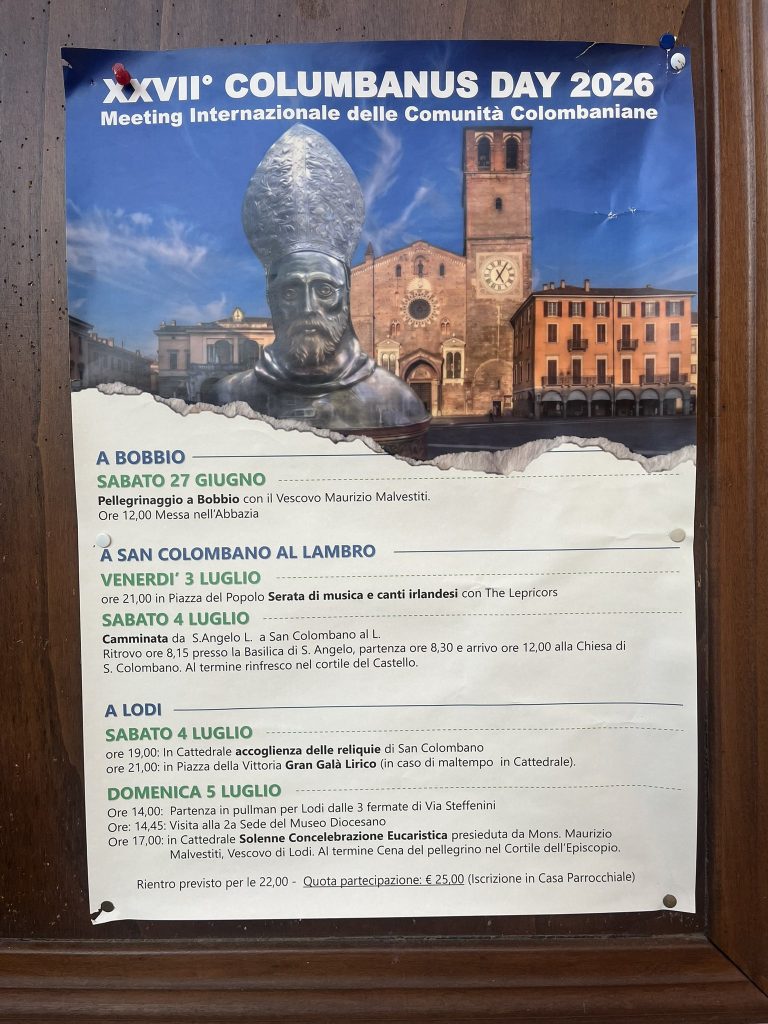
Reflections on the XXVII Columbanus Day in Lodi (Italy)
A year ago the weekend gone by, Carlow hosted the XXVI Columbanus Day. It was a huge venture, an enormous undertaking, a coming together of so many working together to make it a most successful weekend. Perhaps you attended some part of the festivities a year ago?
I think of the opening in Carlow County Museum, and the welcome from the late and much loved Museum Curator, Dermot Mulligan. The biodiversity conference in Carlow College stands out as do the different receptions hosted at the college. Maybe you walked the Columban Way from Mount Leinster to Myshall and enjoyed the splendid July weather that Saturday morning. I think of the most hospitable lunch served by the local ladies in Myshall and the talk that afternoon by former President Mary McAleese on ‘Columbanus, the Man from Myshall’. And then the reception of the relic and that walk from the Adelaide Church to the Church of the Exaltation of the Holy Cross. That splendid concert in the Cathedral on Saturday evening culminating with Mass to honour the XXVI Columbanus Day on Sunday morning. The weekend concluded with the customary ‘Pilgrims Lunch’ in the Dolmen Hotel.
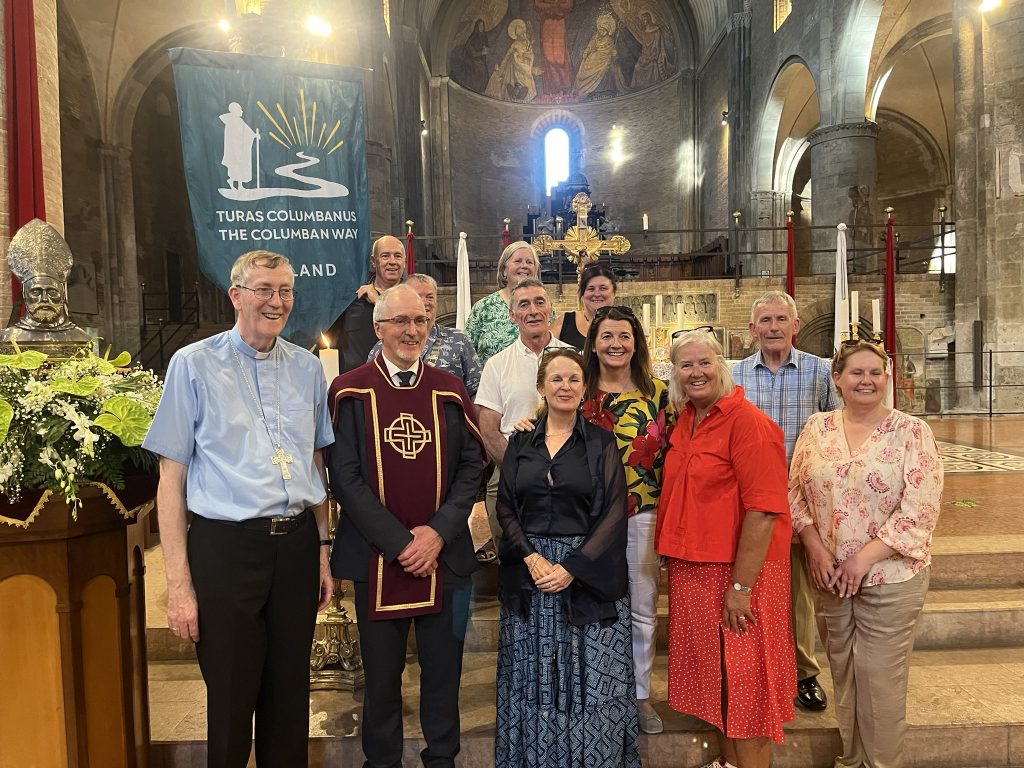
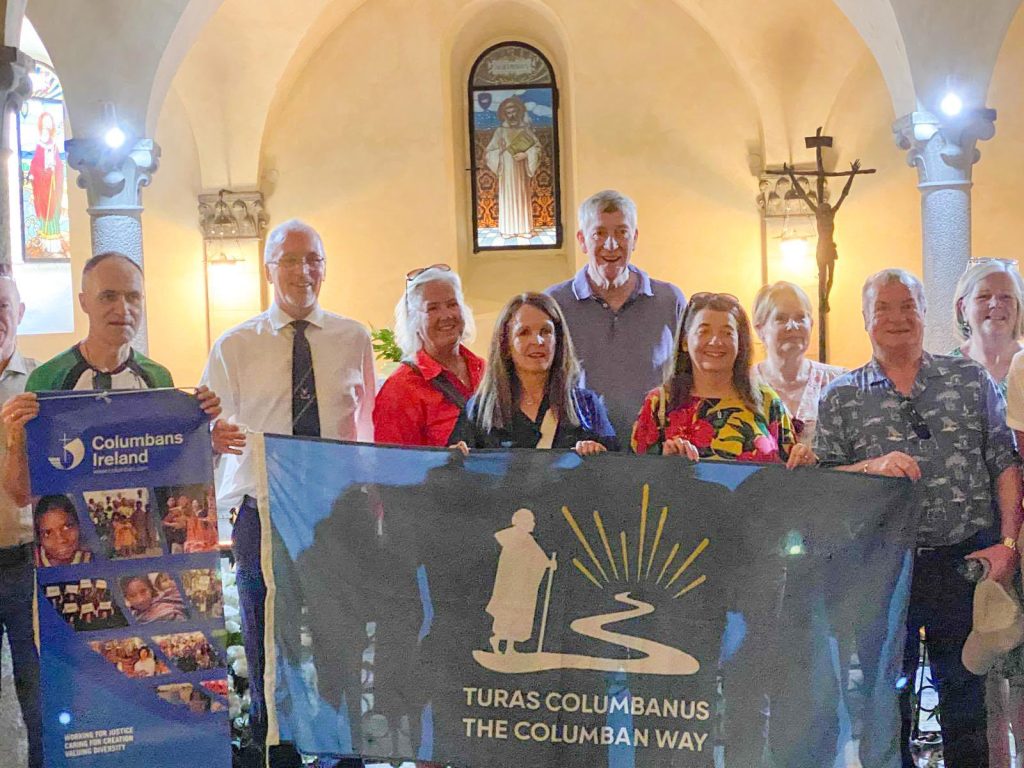
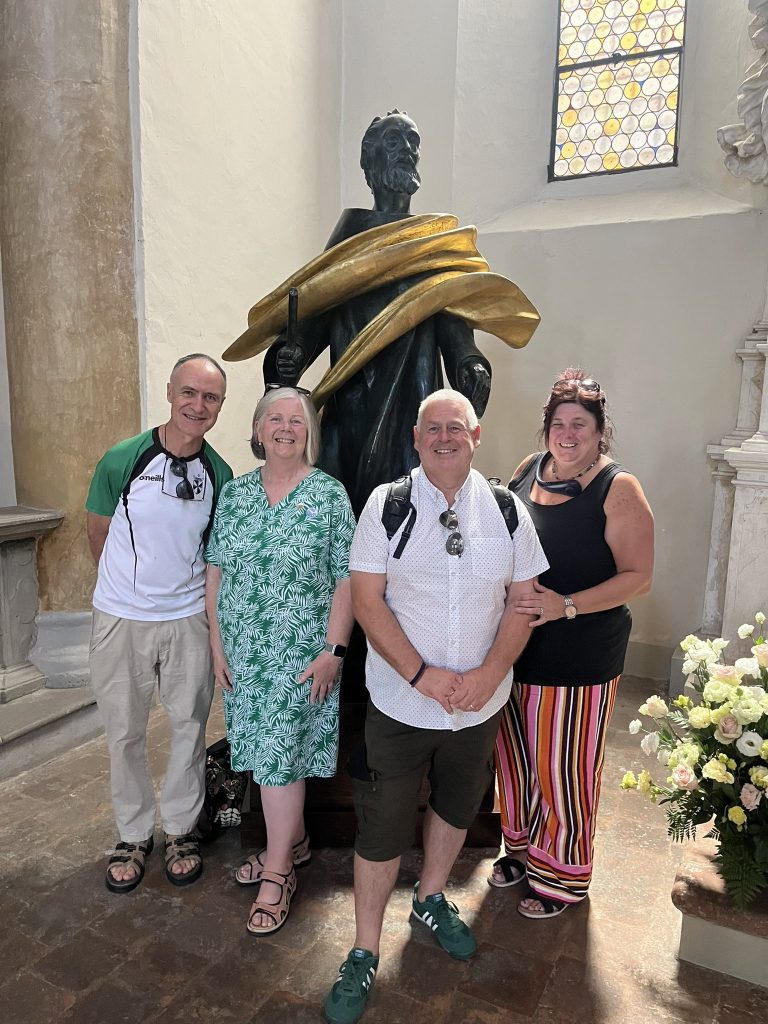
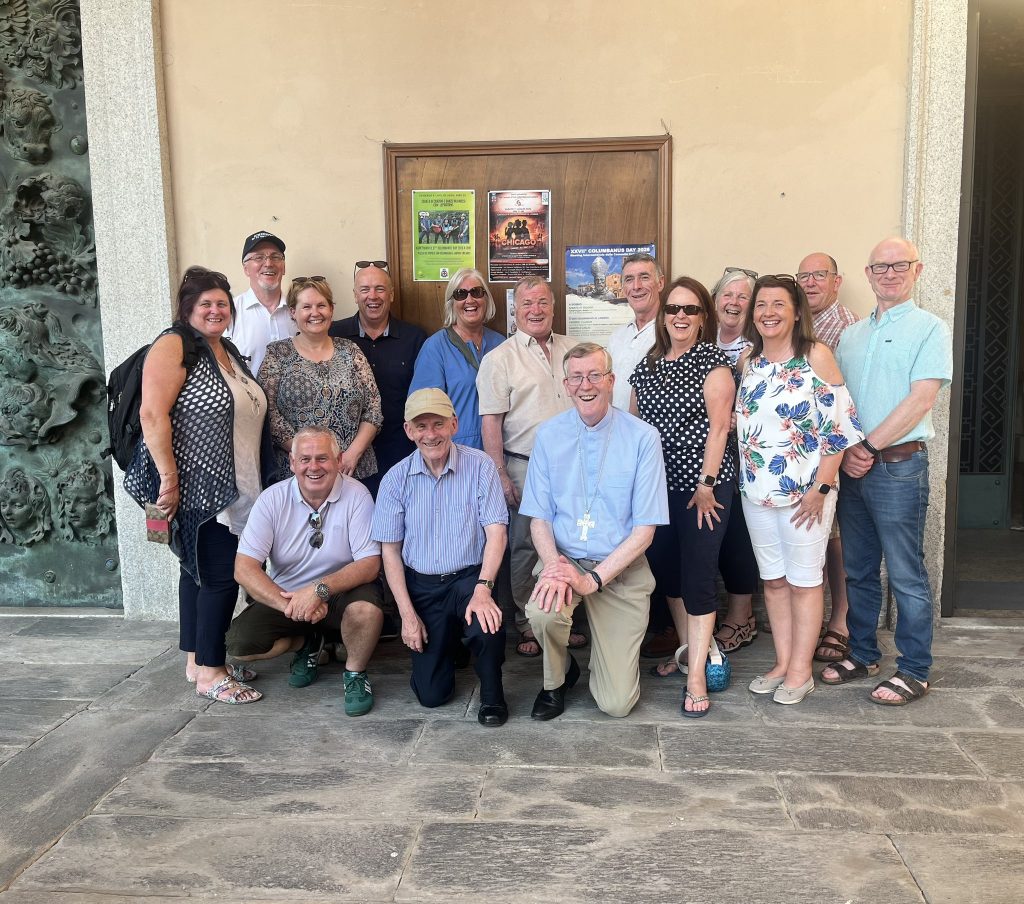
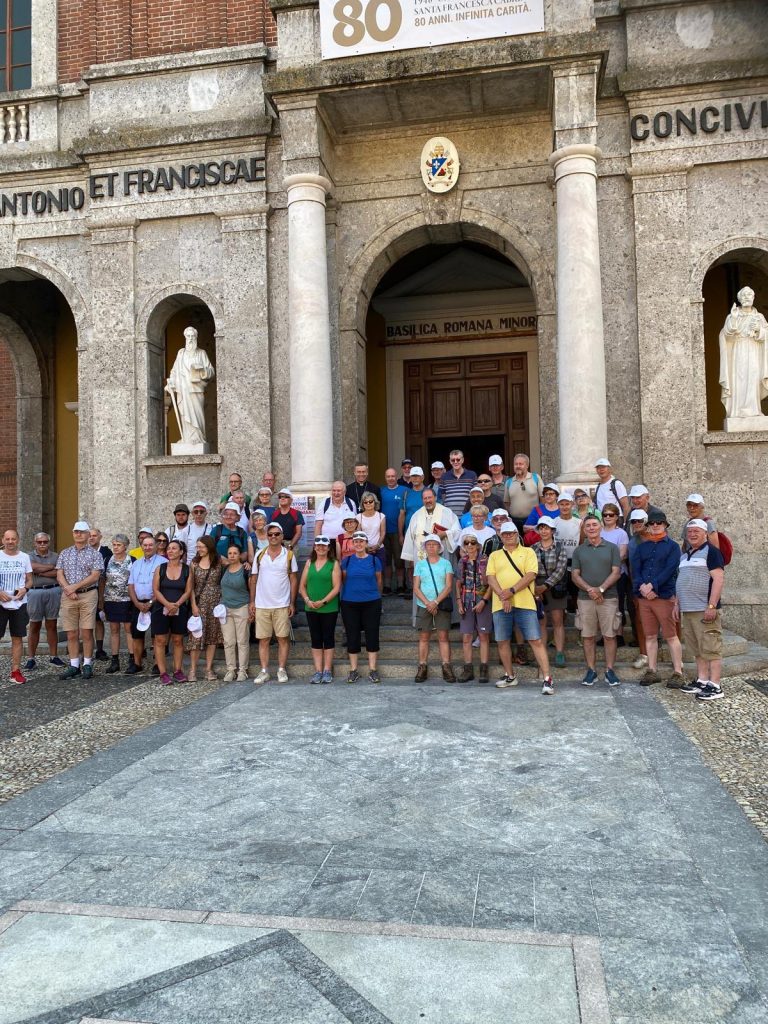
I returned last week with a group who flew the Carlow flag high at the XXVII Columbanus Day celebrations in Lodi, in the north of Italy. We had a wonderful weekend, with many pilgrims still commenting so favourably on last year’s celebrations.
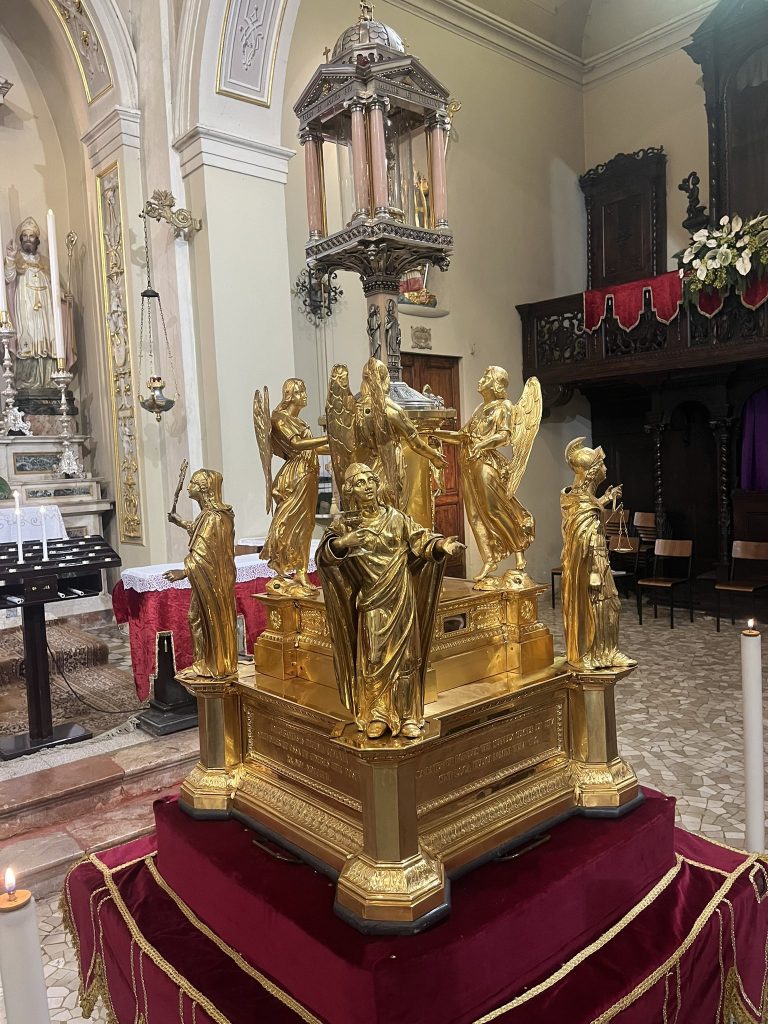
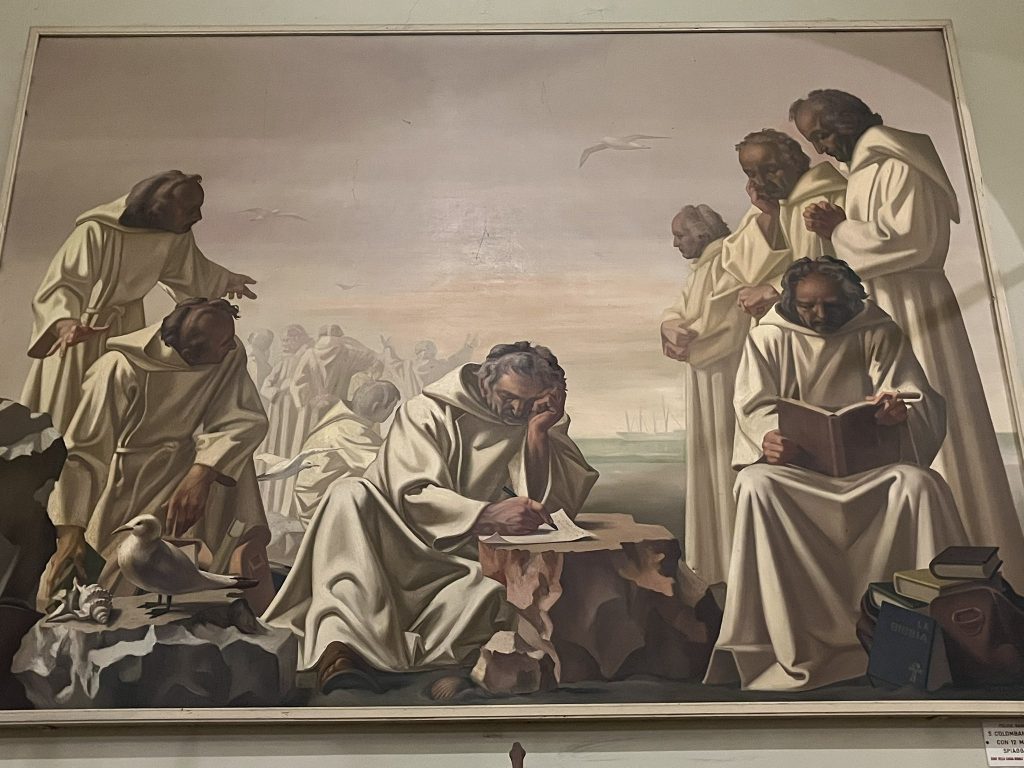
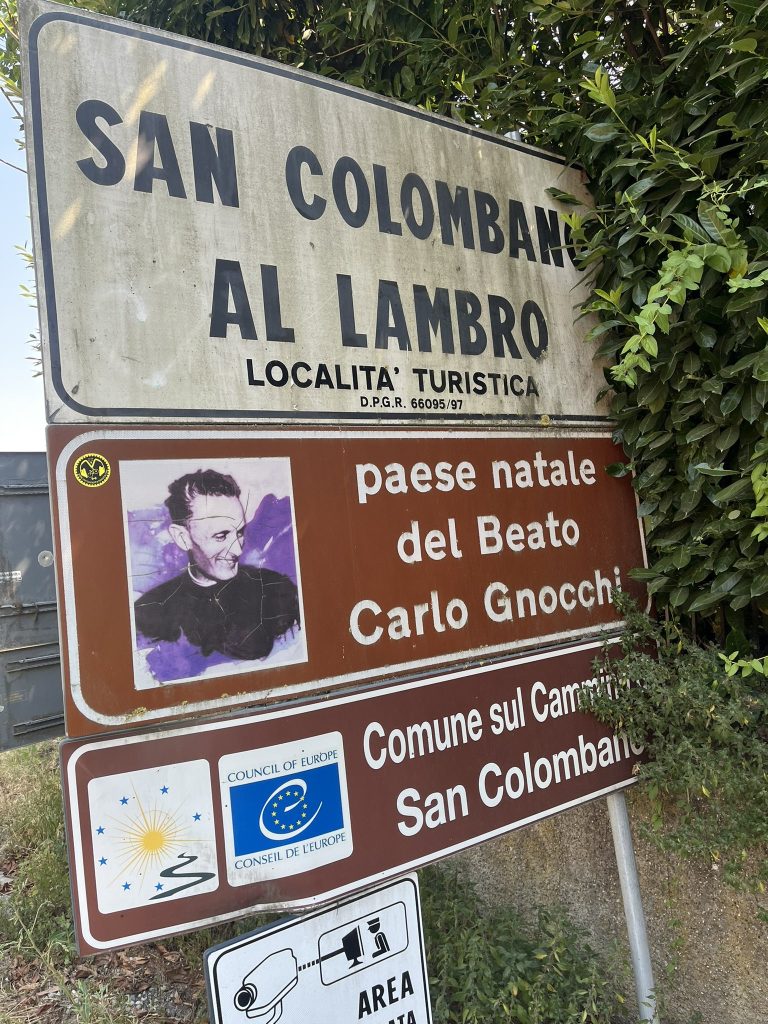
The event this year began on Friday evening with a visit to San Colombano al Lambro to see the parish church of San Colombano Abate where we stepped into centuries of history and faith. The church is permanent home to a splendidly ornate reliquary of Saint Columbanus consisting of two ribs and a vertebra of the saint. While there we took time to pray and bring to the fore the intentions of our pilgrimage. Also we admired the more contemporary paintings depicting the life of Columbanus, including one where he with his twelve companions set sail from Bangor and another one of the saint and his monks planning the construction of the famous monastery at Bobbio. Our evening was to have concluded with an Irish Night in the Piazza del Populo, but a delayed start suggested our bus journey back to our hotel was a greater priority. We needed a good sleep for Day II.
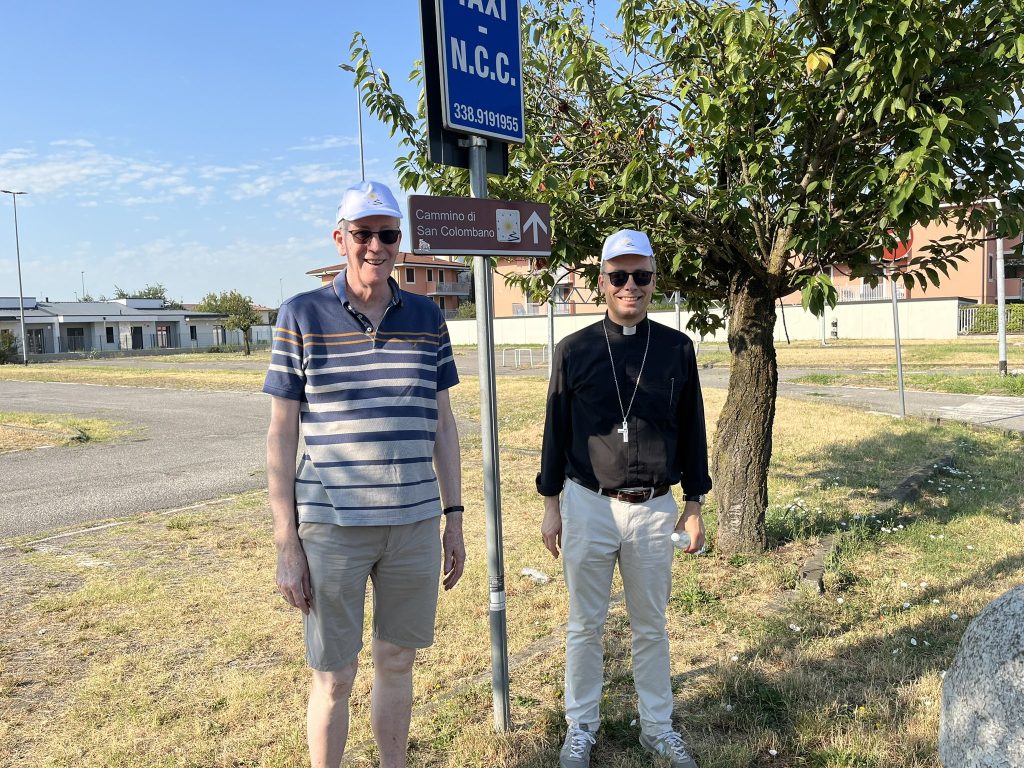
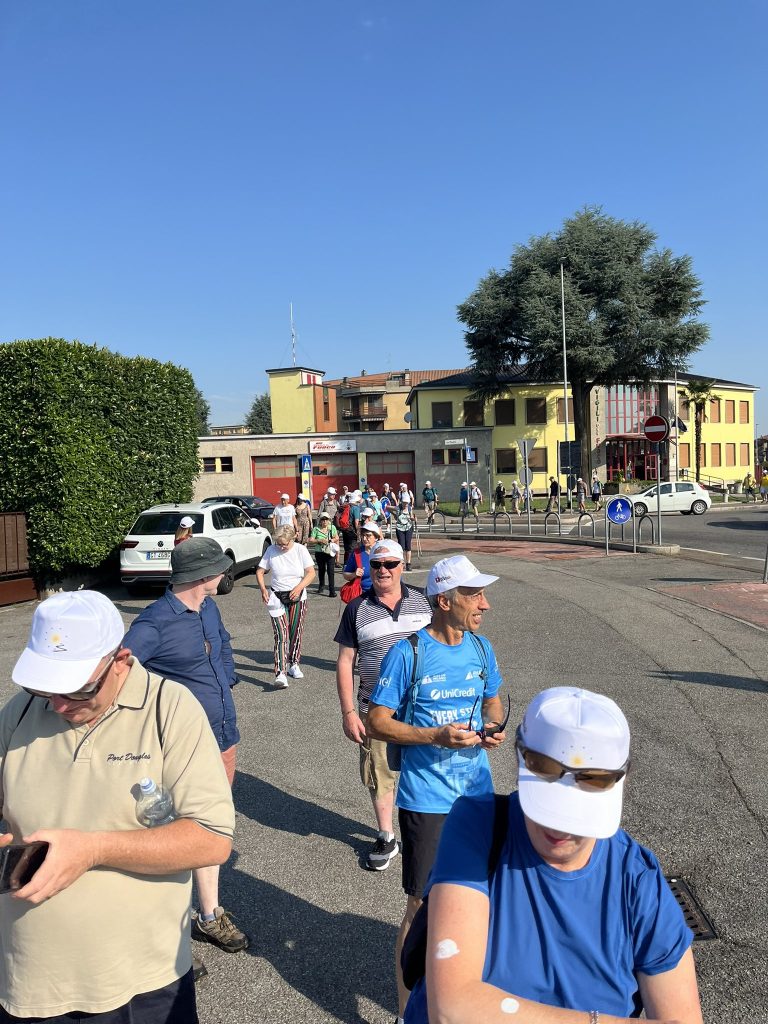
On Saturday we walked the 13km walk, beginning at the church in Sant’Angelo Lodigiano, to San Colombano al Lambro on the Italian stretch of the Columban Way. How proud we were to think that the route we walked began on the side of Mount Leinster in Myshall. Pope Leo XIV had been to Sant’Angelo Lodigiano a few weeks earlier to honour the birthplace of St. Frances Xavier Cabrini, the first US saint and patroness of migrants. Many of the shops and businesses were still festooned in papal colours and memorabilia recalling that pastoral visit. One message caught my eye: “Anche oggi un Leone guida la Chiesa e una Colomba continua a indicare la strada del cuore” giving the title to this reflection ‘Today too a lion (Leo) guides the Church and a dove (Columbanus) continues to show the way of the heart’. The Columban Way is indeed the way of the heart across Europe. Our walk was made enjoyable by the many fellow pilgrims we encountered along the way. It may not have been Mount Leinster but it was equally spectacular!
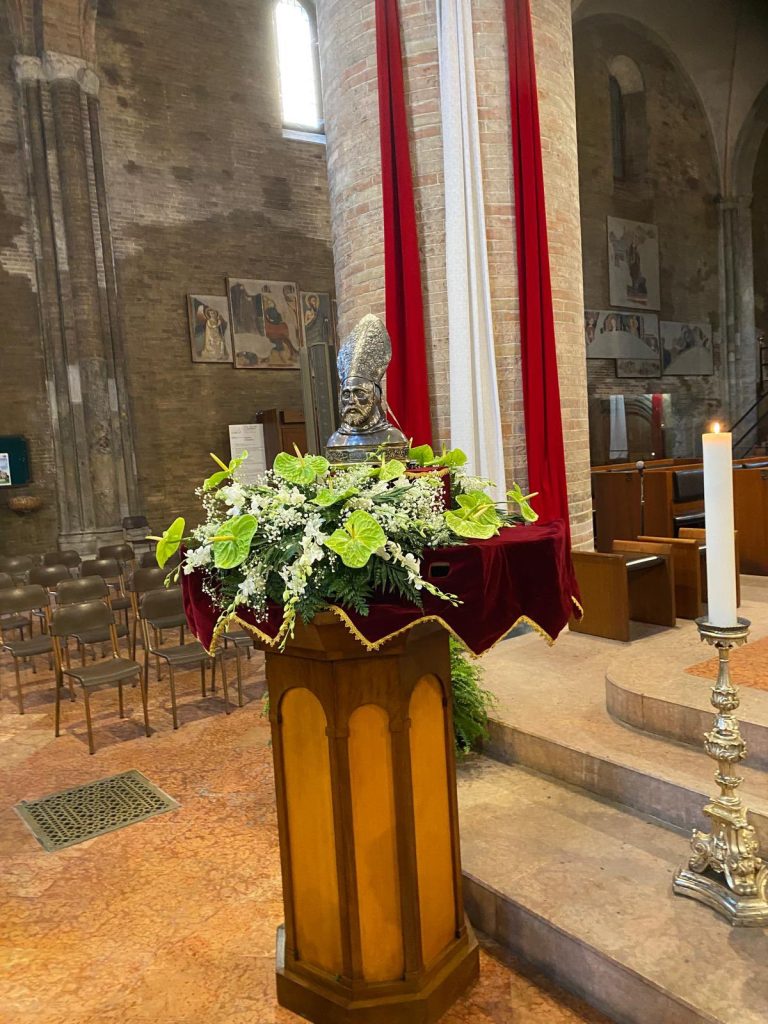
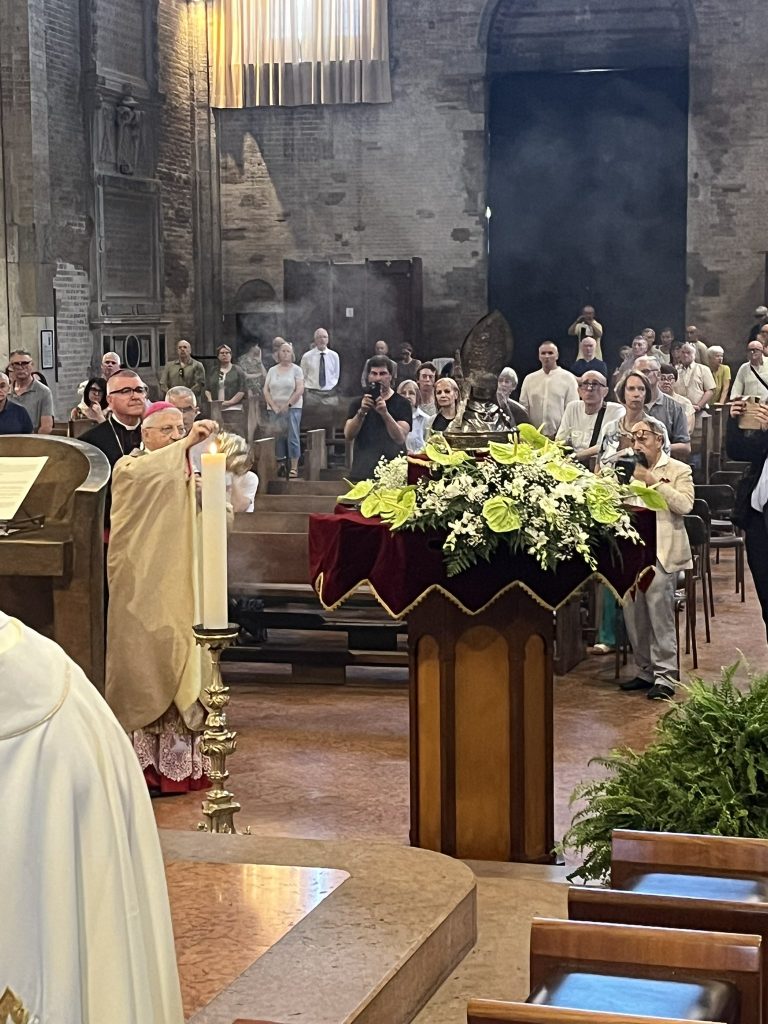
Later that evening the relics of St. Columbanus were brought from Bobbio and welcomed to Lodi Cathedral. It was such a moving moment to be present as the relics were carried shoulder high up the main aisle to be placed in the sanctuary. The man from Myshall had travelled far indeed. The brief ceremony was followed by a concert in the Piazza della Vittoria, the Piazza in front of Lodi Cathedral. Piazzas in Italy are great places for people to congregate, gather and celebrate; the Piazza della Vittoria did not let the side down.
On Sunday morning our group travelled the one hour journey to Bobbio, nestled in the Trebbia Valley, where Columbanus founded his last monastery and where he died and is laid to rest. We had a simple but moving prayer moment in the crypt of the Abbey of St. Columbanus around his resting place as our pilgrim group circled the splendidly ornate sarcophagus, realising we had travelled from the womb to the tomb of this sixth century saint.
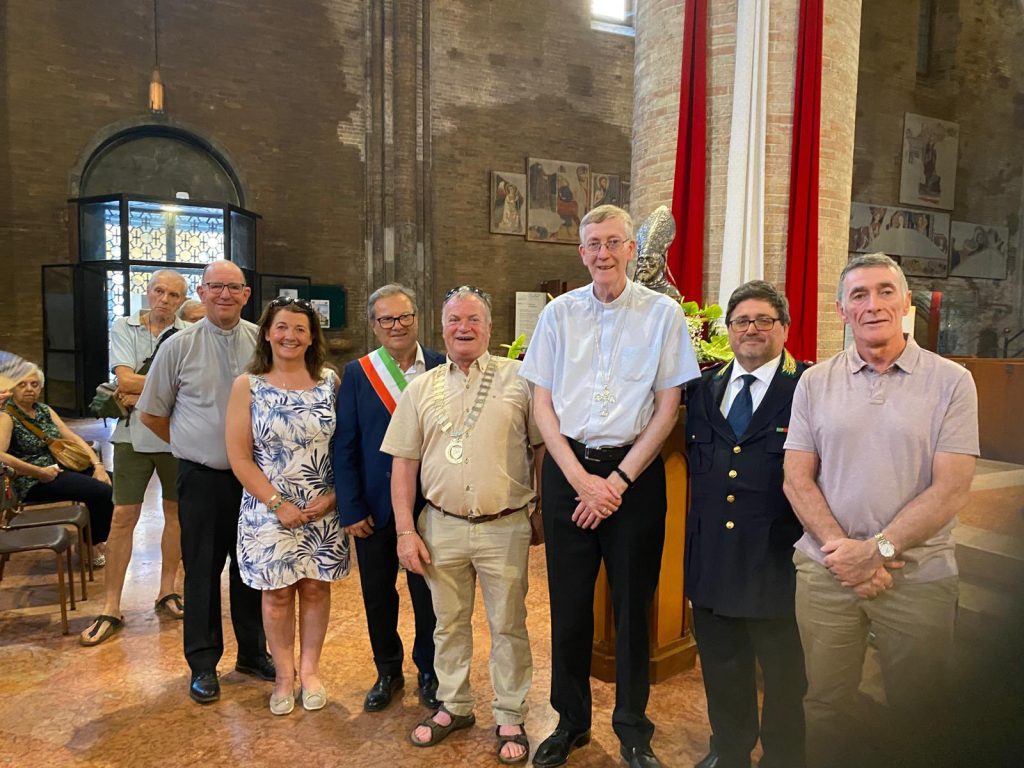
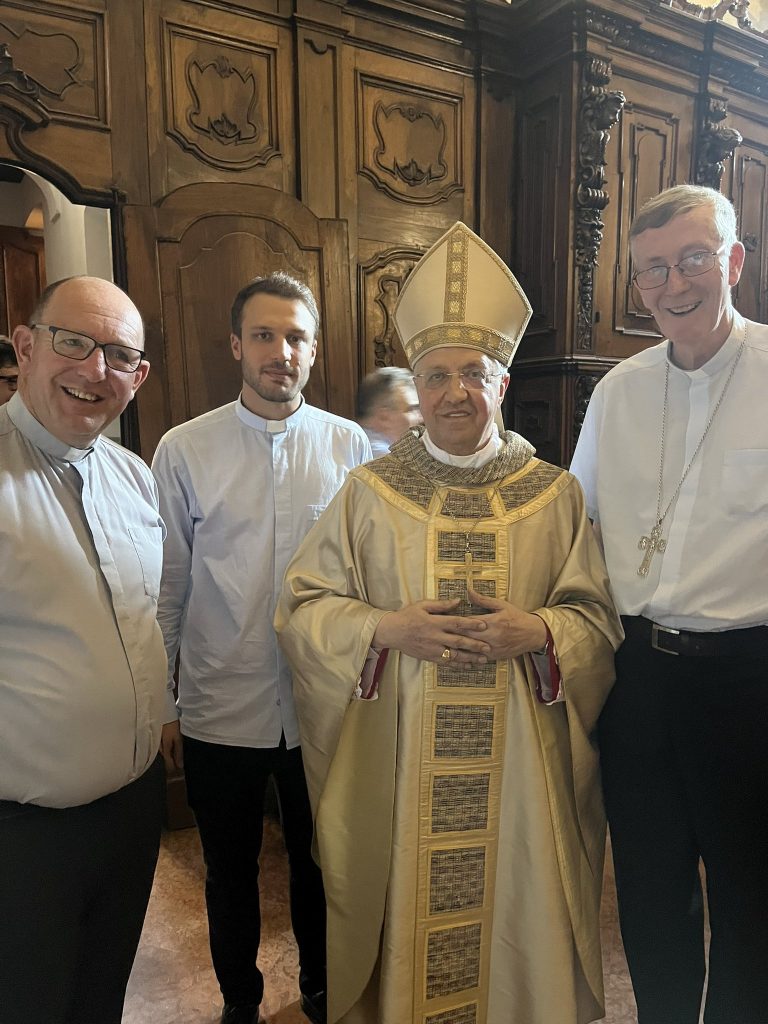
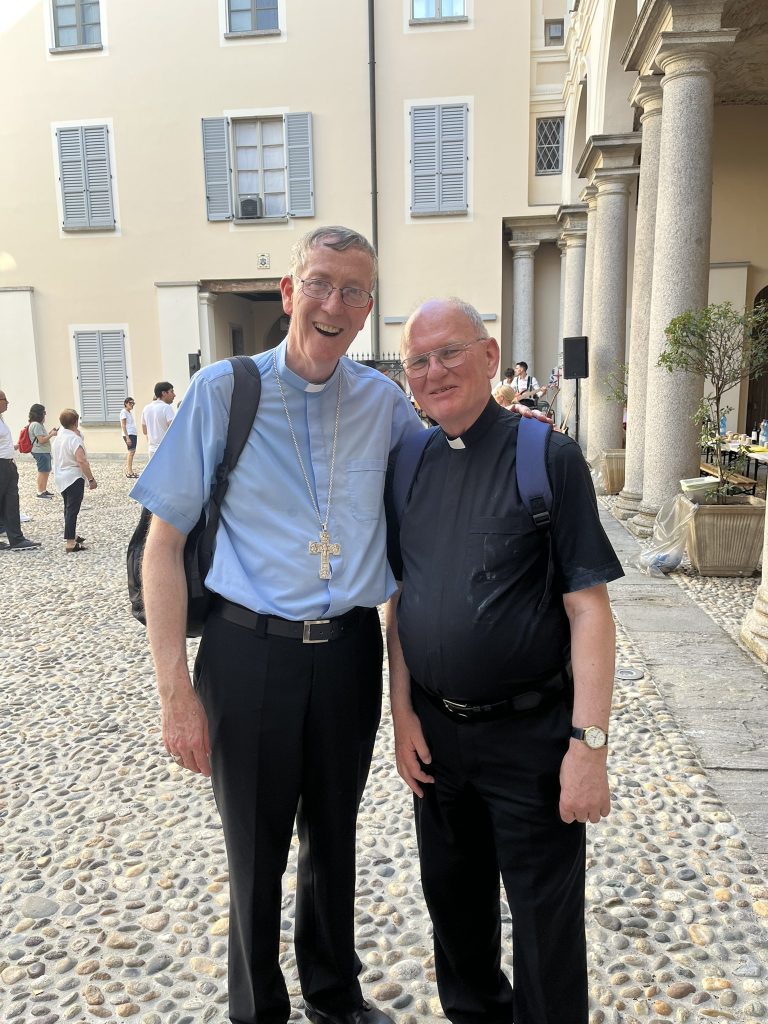
That afternoon in the searing heat of Lodi we attended the welcome reception, hosted by Bishop Maurizio Malvestiti, along with several ecclesial and civic leaders. This was followed by the Mass honouring XXVII Columbanus Day. In a letter from Pope Leo to the Bishop of Lodi, Pope Leo prayed that “the days dedicated to the Saint help bring together people of different languages and nations, inviting them to rediscover together the values of the Christian tradition in order to respond to the challenges of our time”. He highlighted Columbanus’ emphasis on mercy, describing it as indispensable. A proud moment for our Carlow pilgrims was when a number of our pilgrims had a prominent role during the Mass, including one of them reciting an intercessory prayer as gaeilge: “Guimid go spreagfaidh Naomh Columbán sinn chun Críost a leanúint, aire a thabhairt don bpláinéad agus síocháin a chur chun cinn. A Thiarna, éist linn” (We pray that St. Columbanus will inspire us to follow Christ, to take care of our planet and to promote peace, Lord hear us). And then the announcement, greeted by all of us with great joy that next year we will gather in Bangor and Belfast from 11 to 13 June 2027 to celebrate the XXVIII Columbanus Day. The formal announcement concluded that from Bangor, which for centuries was one of the foremost schools of monasticism throughout Europe, will resound, “with renewed vigor, the message of peace, of universal fraternity, and of unity that brings light to the darkness of present-day Europe”. The Pilgrim lunch was relished afterwards. And so the curtain fell on a most enjoyable XXVII Columbanus Day.
The celebration of these Columbanus Days is not an exercise of historical memory. They are a reminder at this time, as Ireland holds the six month Presidency of the European Union, that Columbanus was the first to write of a “totius Europae”, it didn’t matter if you were Turk, Frank or Irish, you were European. He crossed borders, literally and figuratively, and was the first to speak of a European identity; that is why the concept of these ‘Columbanus Days’ is so important.
X Denis Nulty
13 July 2026